

I See You
How experiencing nature first-hand changes our perception of the world.

There is a cabin I call home, cradled deep in the Northeastern Italian Alps, where the world falls away, and only the hush of ancient forests remains.
Here, legends murmur in the wind and myths are woven into the rock itself. The language of the land is secret, spoken only by those who have listened long enough to these places. The forest lives mostly untouched, wild and sacred. A kingdom of green and silver, veined with springs and thick with moss. Trees extend their shade, a silent blessing, offering sanctuary from the frantic world beyond, giving shelter to countless lives that pass unseen, yet not unfelt.
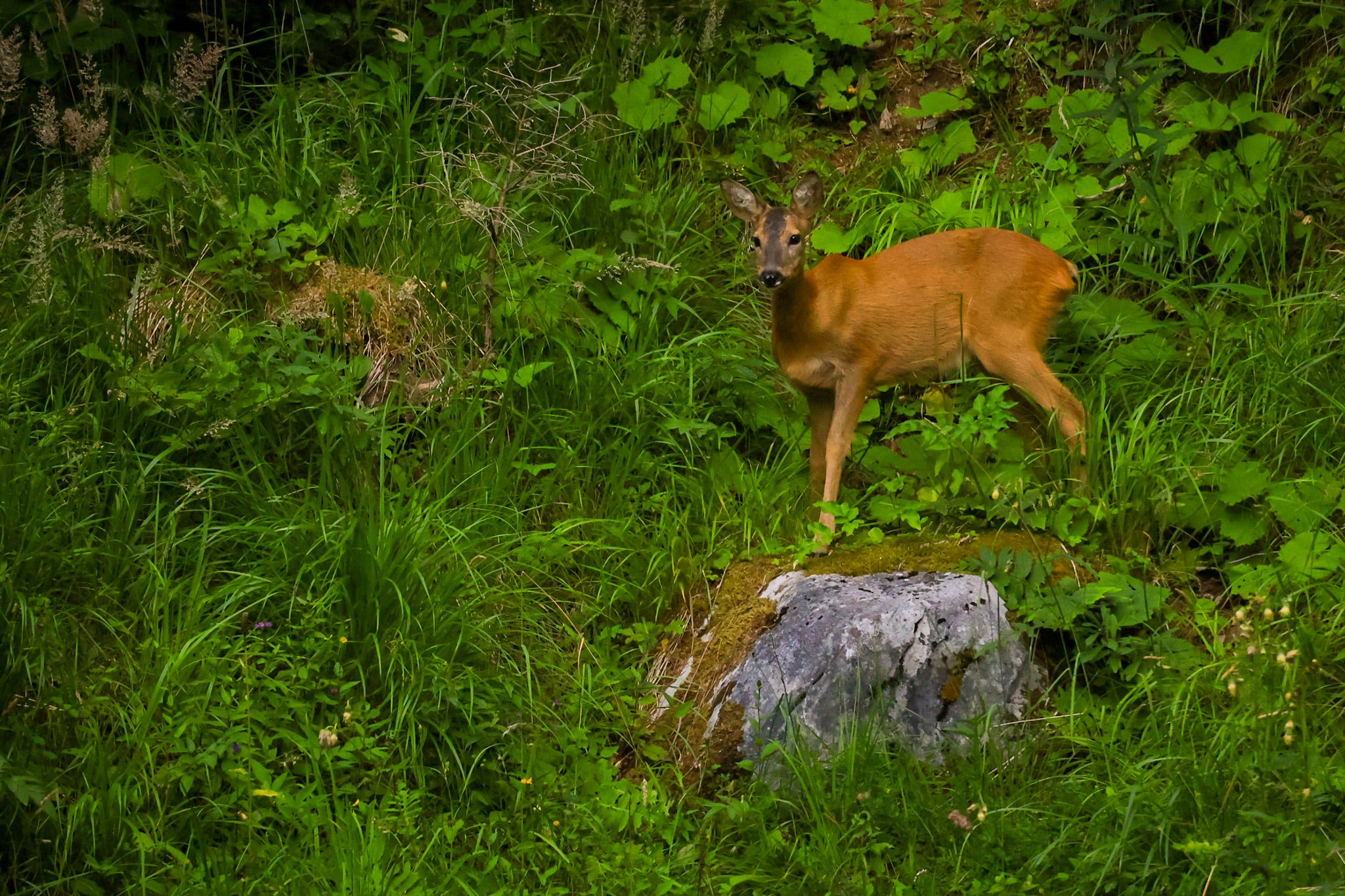
Pause for a heartbeat. Let your eyes linger on this image. What do you see?
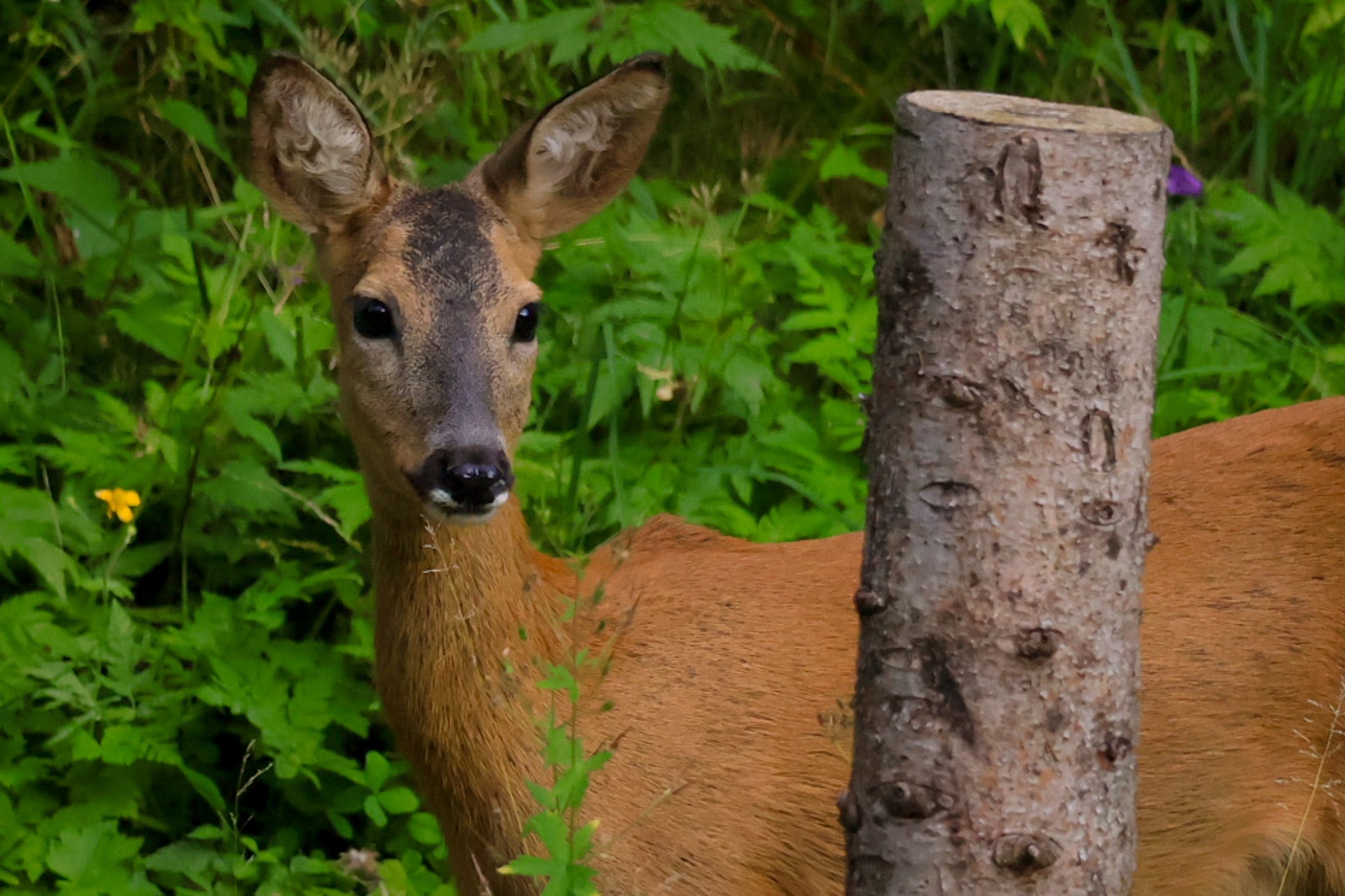
You might see just another deer. But for me, this image holds the story of a life. One I have watched unfold from the trembling uncertainty of a newborn fawn to the sure-footed grace of adulthood.
I didn’t choose this place to escape into solitude from crowds. I came here to be found by nature, to let its quiet grace gather me in. I longed for a home where I could learn to see anew. Not merely with my eyes, but with the deep, listening heart we so often forget to use.
What I did not expect was something emotionally more challenging: developing a personal connection with the inhabitants of the forest. Emotional involvement with their struggles and successes.
It is a bittersweet gift, beautiful but heavy, especially now. When the wild grows more unpredictable and the seasons carry an unfamiliar edge, rougher and rawer than the one I remember.
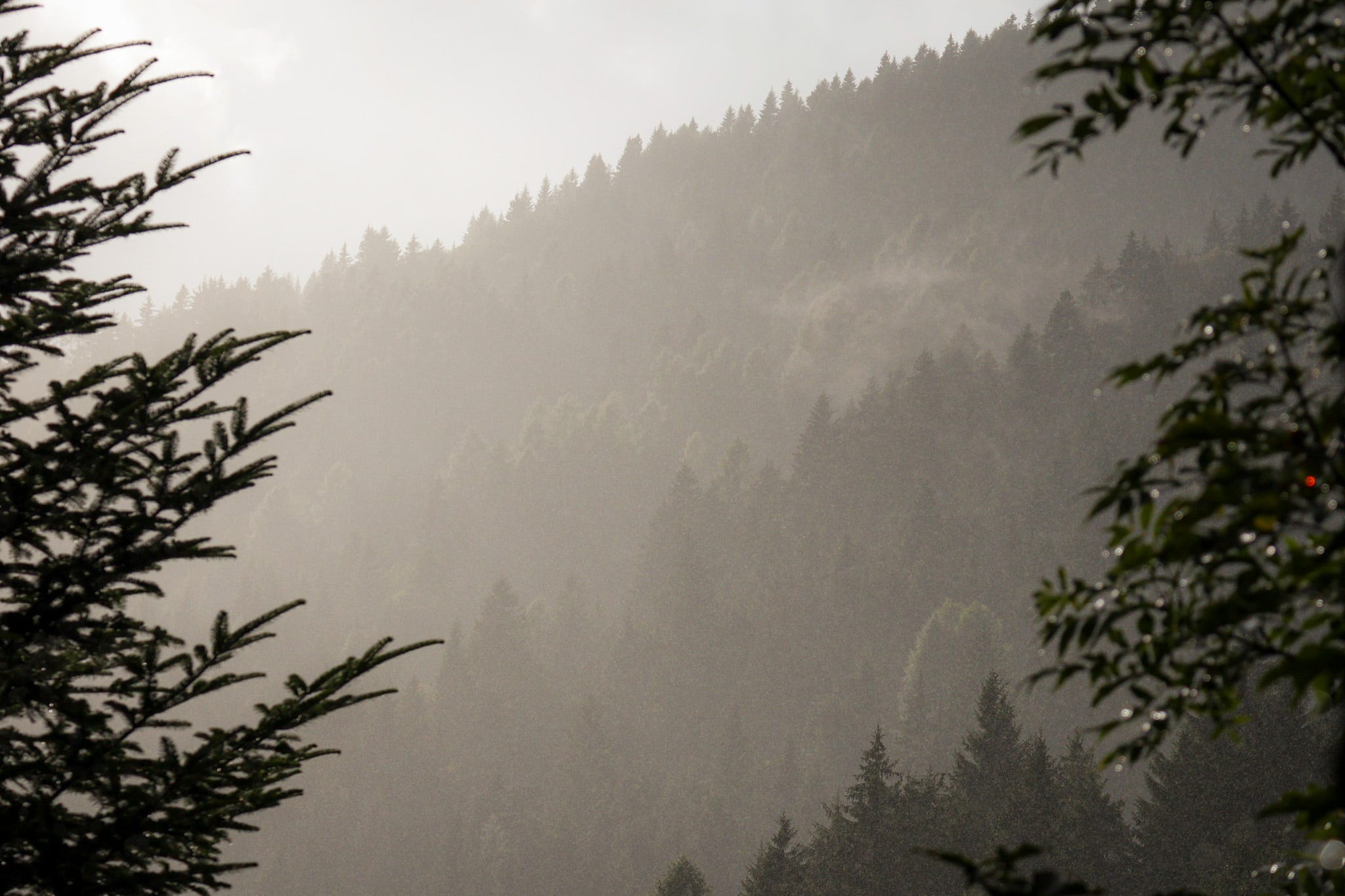
Winds that knock down trees, hailstorms that shatter bird nests. Nuts that come out too soon, with squirrels still too young to harvest them properly. It is a balance that is tripping over itself, not leaving space for adjustment.
Since I was a child, I’ve been fascinated by the wild heart of nature. Longing to catch it in a photograph, to hold that fleeting instant when another world brushes up against ours. In my imagination, the keepers of the forest were rangers and scouts. Mythical guardians, I’d been following the adventures in my childhood books. They’d notice a single snapped twig, a tuft of fur caught on bark, and follow small clues as if deciphering an ancient language.
To move through the forest unseen, to become part of it, is a craft learned only by patience and humility. No book can teach you how to become one with the trees. Once, this was the way we lived. With reverence for a world that shaped us, nurtured us. A world now pushed to the margins by our restless expansion.
We conquer the land, leaving ruins behind us.
We used to respect nature, even fear it sometimes. Now, as wildfires rage and storms grow strange and furious, it feels as if the earth herself is rising in protest, weary from the relentless taking and tearing of what took millennia to weave. Enraged and exhausted by our disregard.
We’ve lost our ability to listen, to observe.
Maybe we never understood, but at least we used to try. Now it’s becoming rarer every day. And those who notice, those who stop and try to fix things, are often considered too sensitive, too attuned to something that in the eyes of many has lost its value.
I look at these woods, I look at life around me, and I whisper, like a prayer: I see you.
I promised myself I will never stop looking, even when it’s hard.
A wildlife photographer once told me: to truly capture an animal, you must know it. Its habits, its hesitations, the hidden paths it chooses. So I became a student of the forest, learning slowly who truly lived here. Who had always lived here, long before my arrival. Over months and years, the patterns revealed themselves: the fox passing at dusk, the deer pausing by the spring, the hare nibbling dandelions in the pale morning, the thrush darting for caterpillars on the fir.
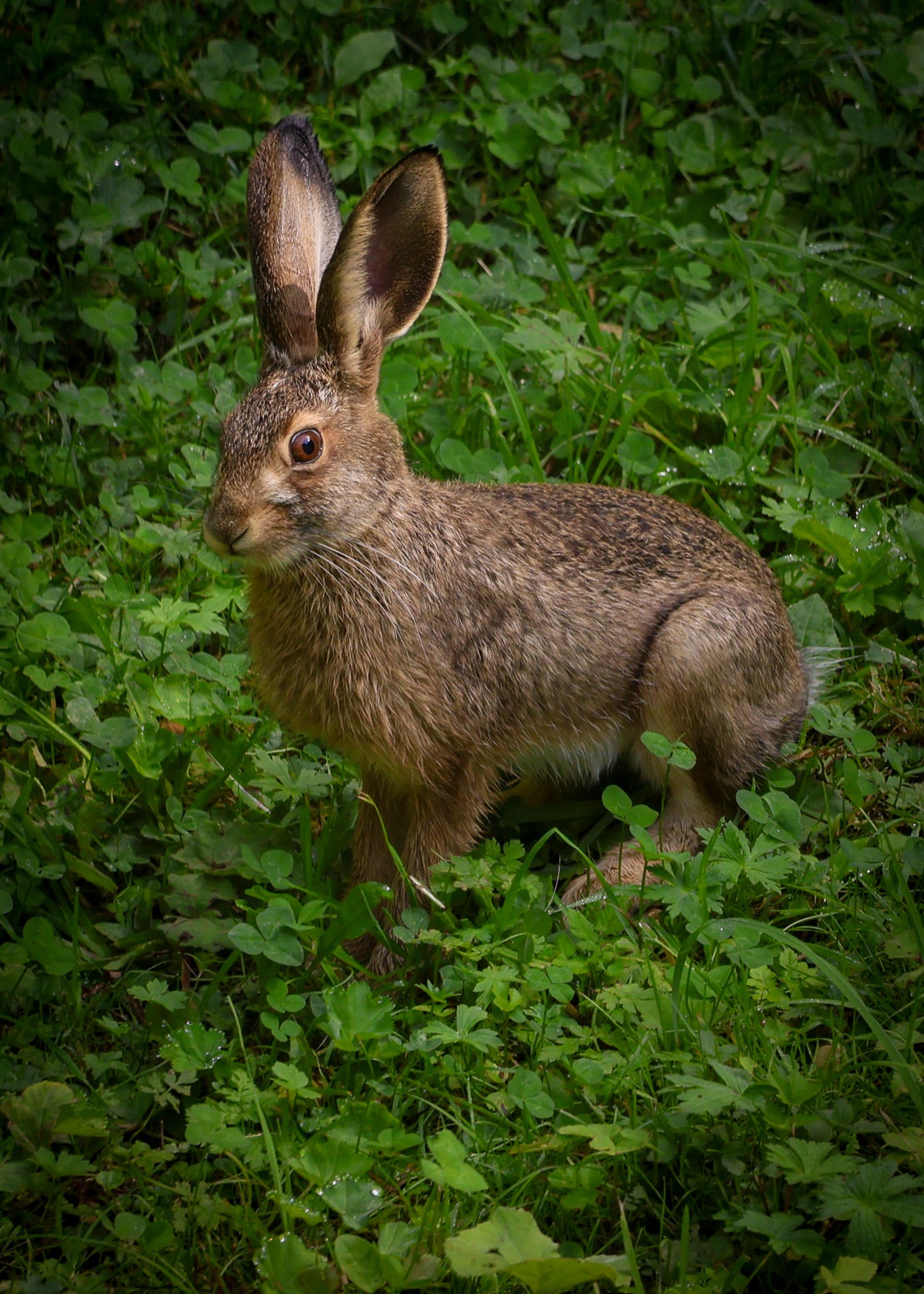
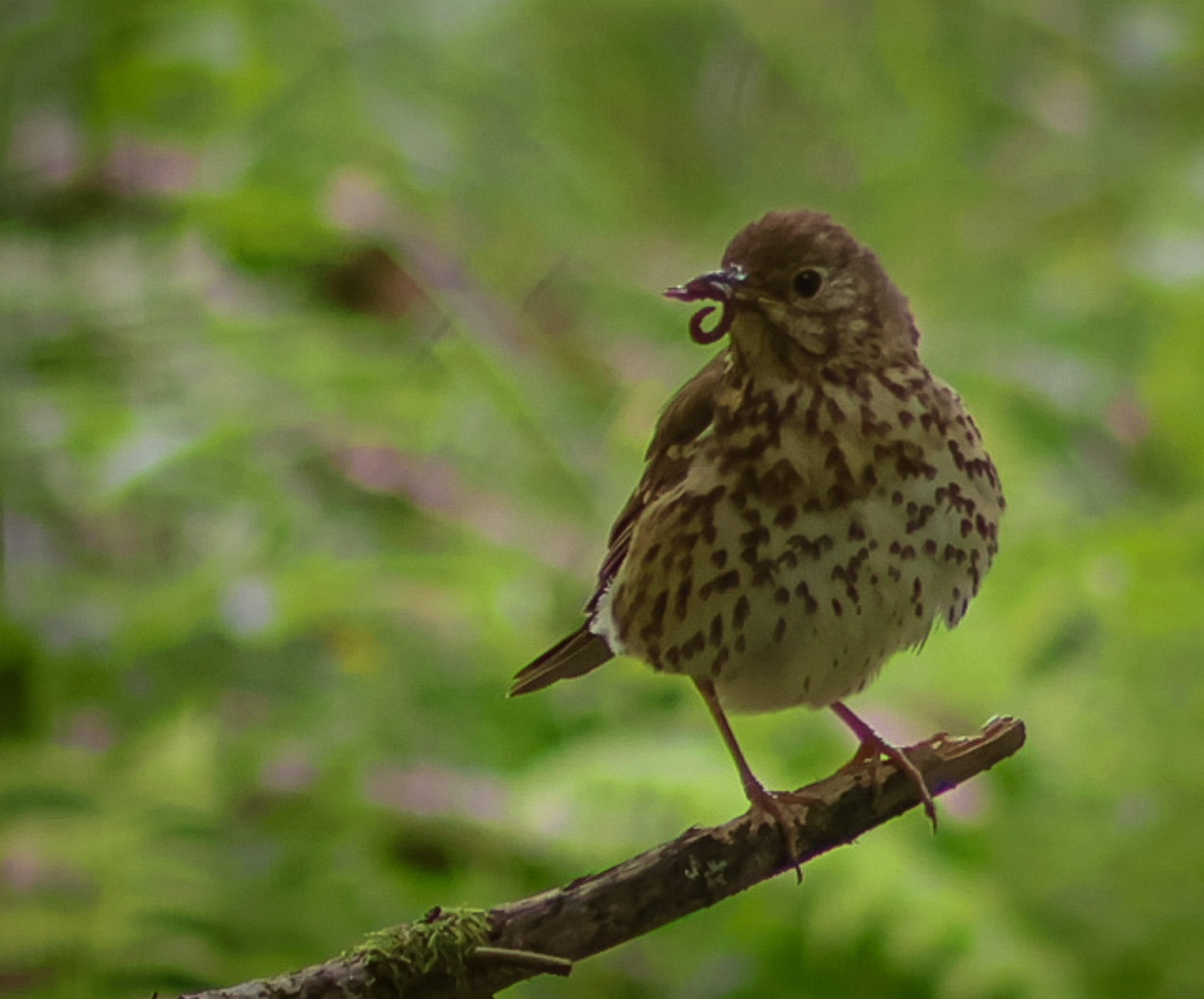
A window into a secret place, a treasured gift that the forest had given me.
Now I recognise their trails winding through the undergrowth. But more than that, I have witnessed their living. Newborns blinking into daylight, creatures growing, struggling, sometimes fading quietly from the world.
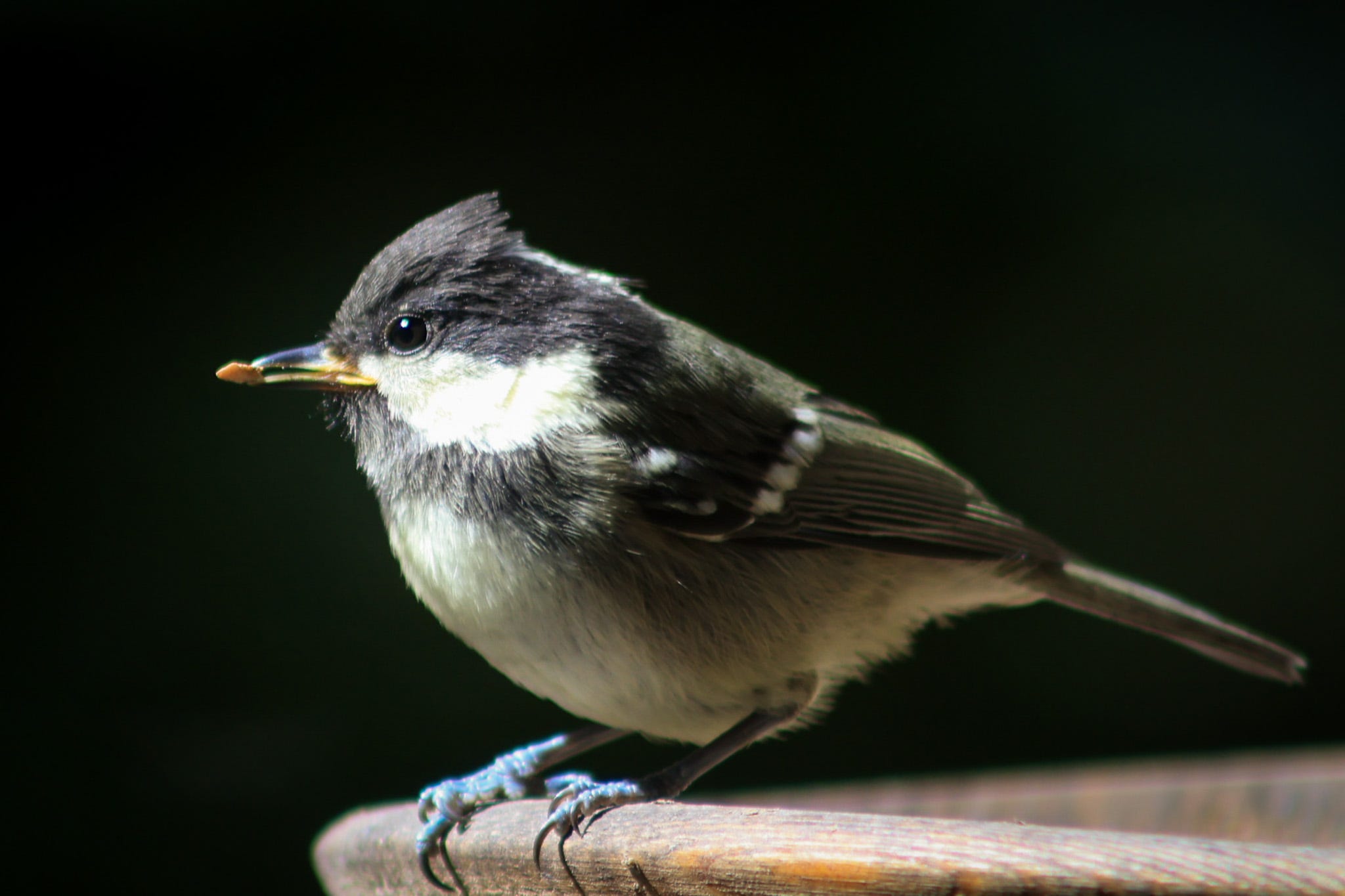
I see you. I see the hurt, the pain, the quiet life that resumes its rhythm.
I see the joy of the first flight, tiny chicks learning to open flavour-rich seeds. Squirrels tumbling over branches on small, clumsy paws, not yet those circus acrobats they’ll be once grown. Everything moves on; nothing remains. Lives, small and big, that seem to leave no mark on our world. But they do.
When we truly look at nature, at how life unfolds in front of us, the pain, the joy, the struggles that existence in the wild requires, we acknowledge how hard life can be. And just by seeing it, we show respect.
That simple shift in attitude can be life-changing.
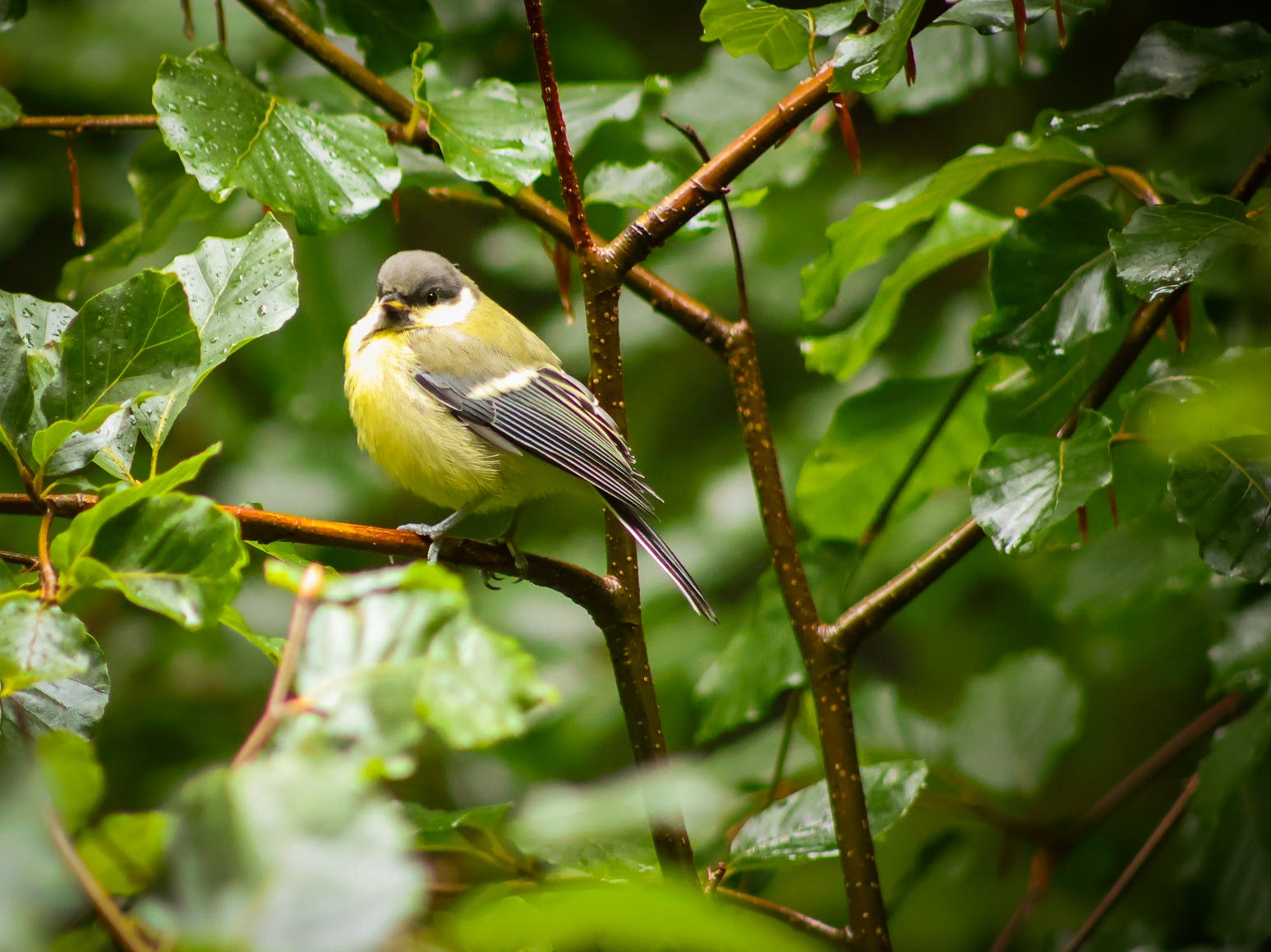
If we could all see a bit more, if we could scale down and perceive how complex life is beyond our comfort zone, we could make different choices.
It may sound sentimental, but seeing these lives unfold from fragile beginnings to wild maturity forges a bond. A sense of gentle responsibility, not only for their lives, but for the delicate balance that lets their world persist just beyond our usual sight. A responsibility toward the world we all inhabit.
I would never interfere with nature’s ways, but observing them thrive or struggle takes a big toll. Seeing how our choices impact them, making their existence even harder, really wrinkles my heart.
If it’s hot, I shut the windows and keep the heat away, pull the shades and drink an iced tea.
If it’s hot, the pond they drink from dries out, and the journey to the next one is often fatal for many, especially the younger ones.
To me, a minor discomfort; to them, an existential threat.
I feel responsible for the simple fact that we share the same home, the same air.
Last winter, from our photo-trap, we saw that two stags would regularly visit the cabin. And I was so excited about it that I told a friend of ours who has a house down in the village, and he jokingly told me, «Don’t say it out loud or they’ll come hunt them from the village».
I swear, I never talked about it with anyone ever again because I thought it would be just cruel to shoot these animals in a place they felt safe. I felt responsible.
These stags come into the valley only in the deepest winter months when food in the higher parts is scarce. From April till November you will never get even a glimpse of them down here, and even in winter it is really rare to see them. So I decided that would be my treasured secret: we had not one but two stags coming to pay homage to our home, when people around here often said that stags never come down into the valley at all. Fine, let them believe that.
Now, look again at the picture... do you see the big white scar she wears on her rear... like a lightning bolt?
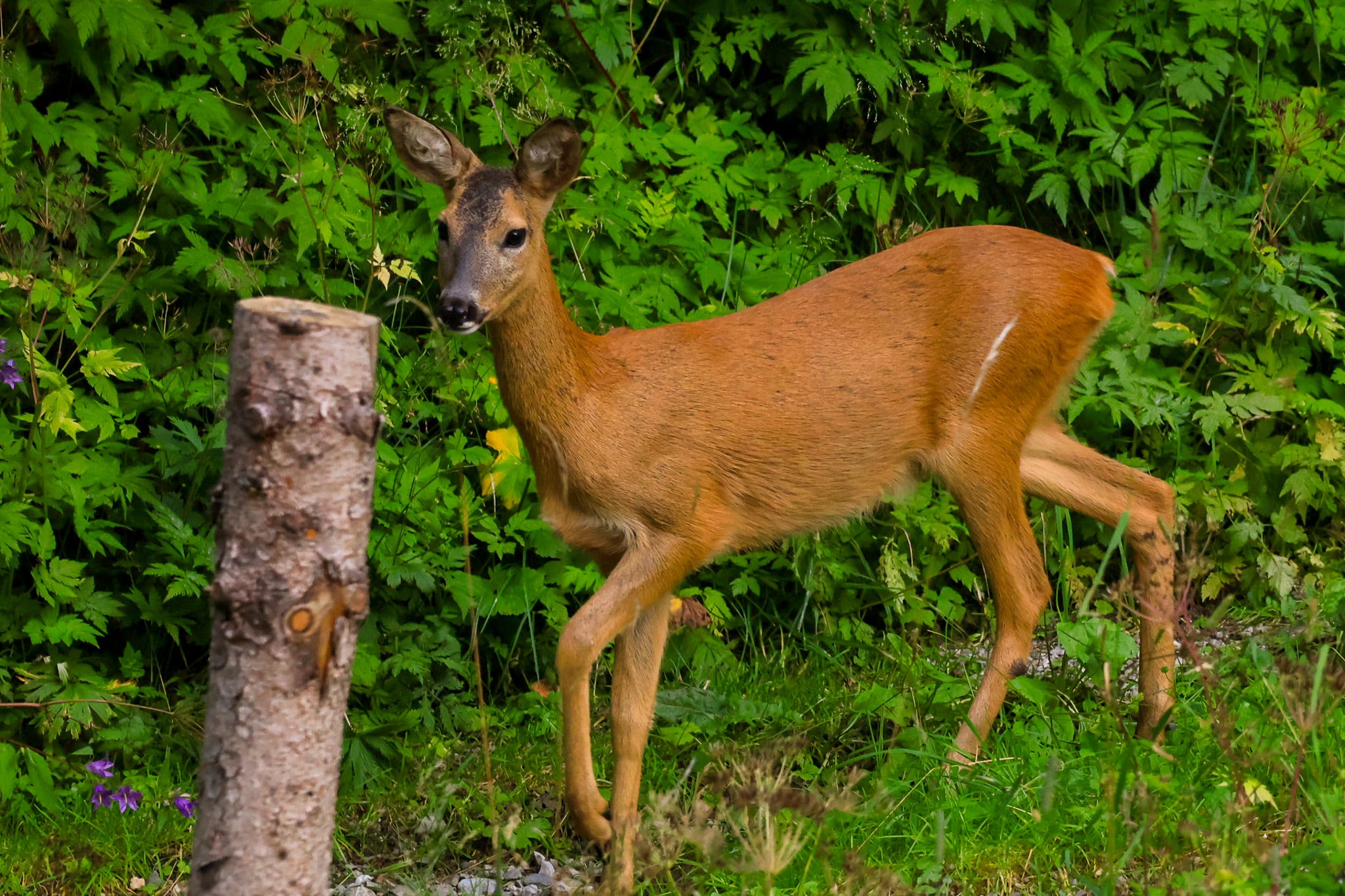
I saw her limp all winter when she was half the size she is now, her coat a greyish brown, making her way through the woods with her sister. They would come around to our feeder, drink from the spring and silently make their way back into the forest.
I believed she’d be the one not making it to summer. I felt my heart growing heavy seeing her limping behind her healthy companion, but here we are. It’s July. Her sister is nowhere to be seen. Maybe she chose another valley, maybe she is no more.
My little friend, the scarred one instead, is still here.
We often meet in the forest. She stares at me, her eyes calm. She looks as if telling me, “I know you.”
And look at her whispering «I see you», hoping she knows by now I am not a threat.
She might not be here next summer, or next month, but every time I walk outside, I’ll be hoping to cross paths with her.
Life will move on, but until then I will be grateful for the gift she has given me: to see her making her way with grace through a life that has never been easy. Never resenting us, humans, even if we are making that life harder every year, for her and all the others.
Those three words are the difference between indifference and respect.
Understanding may be out of reach; but seeing, perceiving what goes on beyond our sheltered world, is a great form of respect.
In those three words I pour my heart, recognising my sensitivity for what it is: a gift that allows me to notice and honour these fleeting moments.
It’s time to go home, but I take one last look around, filling my soul with gratitude.
Lately I’ve received another gift, unexpected, subtle and delicate: witnessing, here on this platform, the growing number of people rejecting this creeping numbness towards the planet, towards the value of time and life. People who are noticing and observing nature’s flow, pausing, listening, and honouring her simple magic. Each story and photograph a gentle rebellion against indifference.
It gives me hope to know that, together, we are remembering how precious these gifts truly are.
As I watch her make her way into the shaded green, I turn my gaze skyward. Gray clouds are gathering. Once a promise, now an omen of both renewal and loss. I stand beneath them, heart divided between hope and caution, knowing that what was once a gentle blessing has now become a complicated gift.
I see you.
If you enjoy these reflections, consider subscribing for more personal stories and gentle observations from the wild. From the bottom of my heart thanks for taking this gentle walk with me.
This is absolutely beautiful, Antonella. Your words and photos truly feel like a sanctuary. The story of the scarred deer brought tears to my eyes—what a beautiful reminder that survival is a quiet, fierce grace. Thank you for using your heart to listen, and for reminding us to do the same. "I see you" is a mantra we all need right now.
Thank you, Antonella. There is a kind of intentional suffering in seeing. It is the vulnerability of seeing and being seen. You captured that beautifully.